
Watching women through screens, across history and under strangers’ eyes, we see the same tension: freedom and constraint, shame and joy, punishment and intimacy, all unfolding in a single frame.
Women have always moved under watchful eyes, online, in offices, and everywhere in between. Every gesture, posture and word is measured, corrected, or disciplined. From classrooms and workplaces to social rituals and social media feeds, society choreographs the way women inhabit the world, teaching them to anticipate attention, adjust their bodies and perform themselves. Visibility has never been neutral. But even within these pressures, women have learned to carve out space for themselves, to move, speak and act in ways that reflect their own desires. Women continue to negotiate visibility on their own terms.
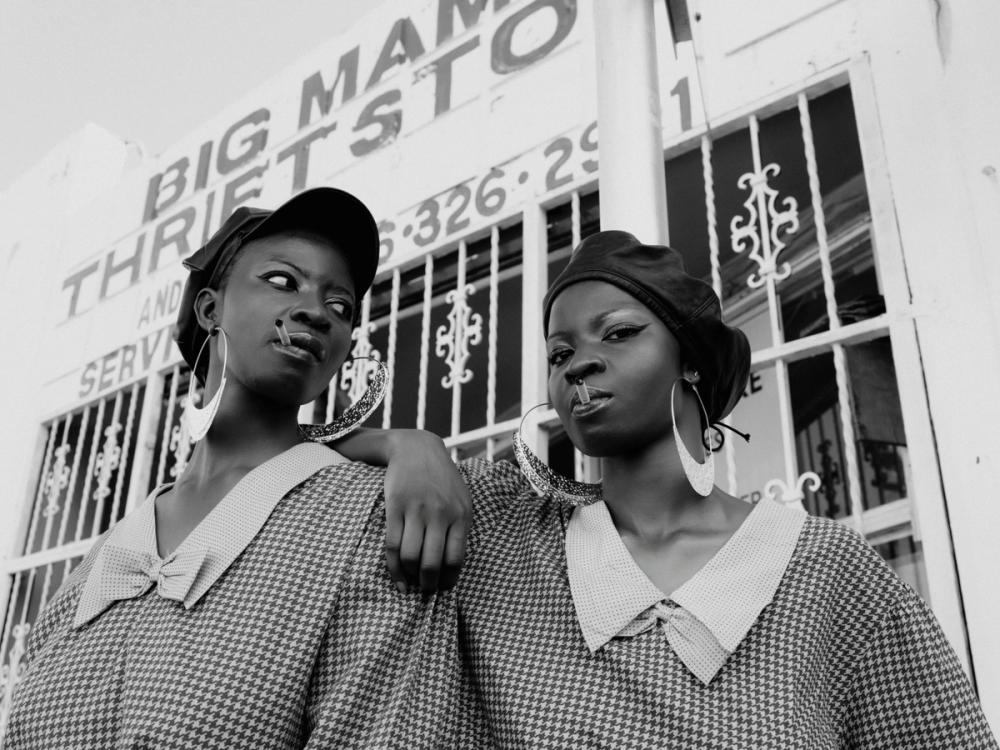
Constant surveillance is nothing new. Diary of a Lost Girl (1929), a silent Weimar-era film, makes them tangible. Louise Brooks’ Thymian drifts across the screen like smoke: untouchable, elusive, caught between punishment and fleeting freedom. Early in the film, she is briefly confined in areformatory, a type of strict, state-run institution designed to train and control girls through rigid routines, drills and surveillance. In these scenes, girls march, bend, and repeat under the headmistress’ gaze. There’s hypnotic precision, the clang of the gong, the synchronized movements, but also something more. Fleeting glances, subtle gestures, small acts of complicity: these are moments of intimacy and defiance hidden beneath the choreography. The film captures the quiet economies of attention women create, even under strict control.
The pressures of visibility and control that Diary of a Lost Girl dramatizes were not confined to fiction. They echo real-life institutions that policed women’s bodies and desires. The Magdalene Laundries, confinement facilities which operated in Ireland from the mid-18th century until 1996, detained women for desire, perceived moral failings, or even mere circumstance. Unlike Thymian, most never escaped. And yet, even in those walls, small acts of connection and resistance persisted, fleeting, fragile, but profound. The film, in this context, becomes an archive of transgression: a reminder that even under surveillance, women have always found ways to watch, recognise and sustain one another.
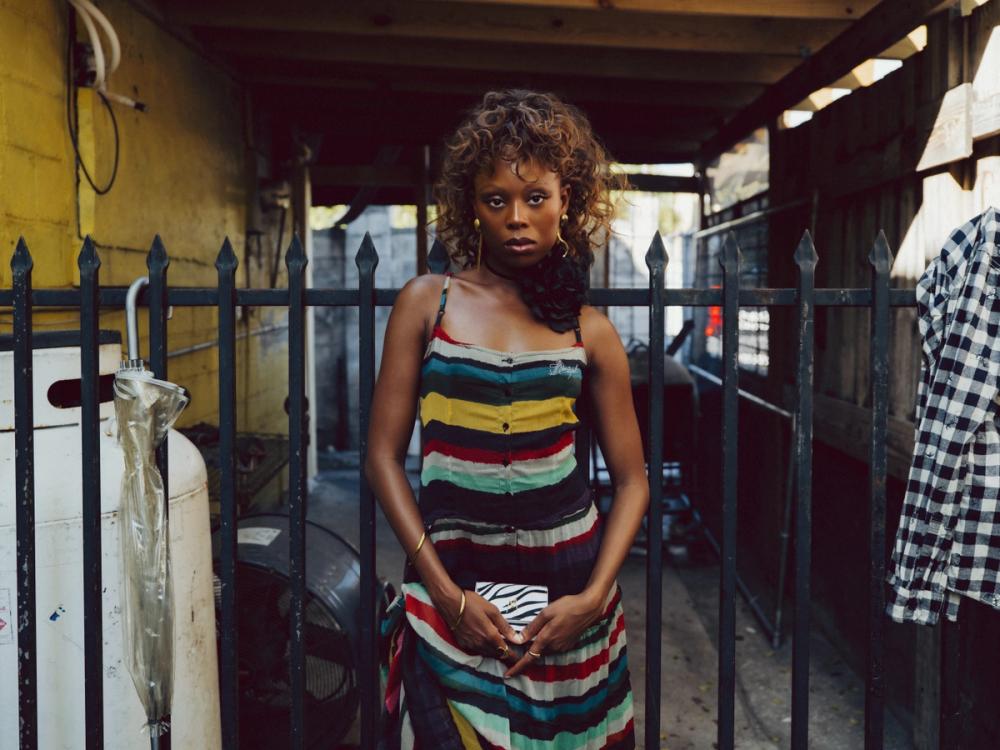
Today, the gaze has evolved. Walls and gongs are gone, replaced by cameras, algorithms, likes and followers. Social media metrics dictate trends, reinforce desirability and shape performative authenticity. Women learn to anticipate judgment, to curate their online selves, to be legible yet safe, desirable but not threatening. And yet, even in this landscape, a quiet countercurrent persists. Irony, exaggeration, softness, mutual recognition and small acts of rebellion let women carve out space for themselves, connect with one another and express their own desires. The gaze is powerful, but it is never total.
Whether in a Weimar reformatory, a Magdalene Laundry, or a TikTok feed, women continue to navigate systems that profit from exposure while carving out spaces for connection. Finding ways to connect and support one another even under constant scrutiny. It is this enduring, fragile, defiant beauty, the hidden choreography of care and resistance, that persists across screens, centuries and generations..